Micro vs macro influencer: the math that should decide your roster
Pick influencers by cost per result, not follower count. This post runs the CPE and CPA math on micro vs macro influencer so you choose output over reach.
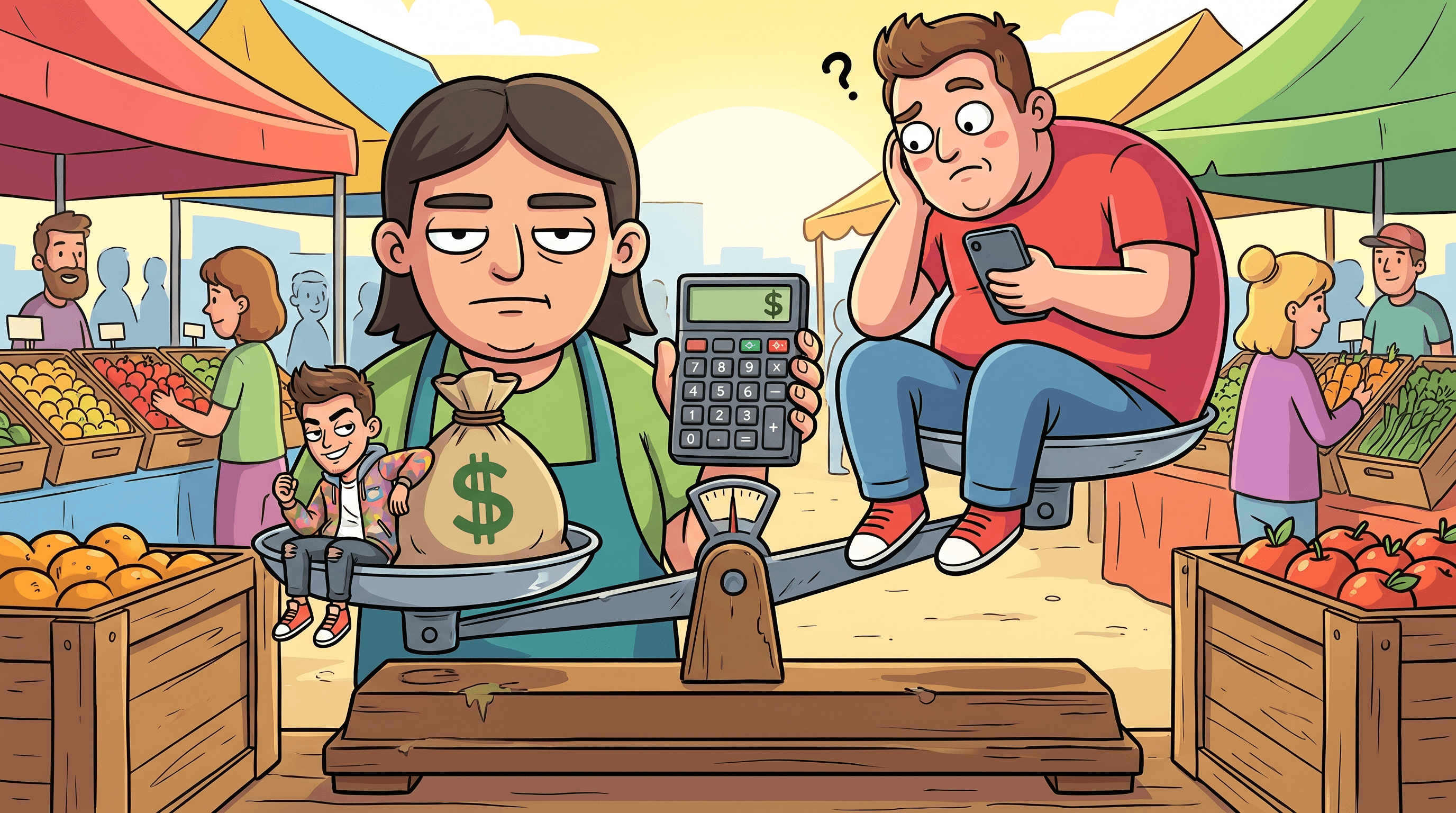
Most brands still pick creators by follower count. A micro vs macro influencer decision gets made on reach, and reach is the number that tells you the least about return. Your roster should be decided by cost per result: what you pay for each person who engages, clicks, or buys. This post runs that math so you can stop paying for an audience size you cannot price.
Follower count tells you how many people saw the post. It does not tell you how many cared.
Follower count hides the only number that matters
A 50,000-follower creator at a 6 percent engagement rate pulls 3,000 interactions. A 500,000-follower creator at 1.5 percent pulls 7,500. The macro account carries ten times the followers but only two and a half times the engagement, because engagement rate falls as audience size climbs. MarketingProfs puts typical micro engagement at 3 to 10 percent and macro at 1 to 5 percent, so the gap is normal, not a fluke. That follower number looks great in a deck and predicts little about the response you get.
Micro vs macro influencer: what the cost-per-result math shows
Rates scale with followers, and the jump is steep. Truemargin's 2026 tier data puts micro posts around $200 to $2,000 and macro posts at $5,000 to $25,000. The per-tier spread matters more than any headline number, which is why a 2026 influencer rate card is worth a look before you budget. Take a midpoint micro fee of $400 and a midpoint macro fee of $8,000.
Work the CPM first. The micro creator costs $400 for 50,000 impressions, or $8 per 1,000. The macro creator costs $8,000 for 500,000 impressions, or $16 per 1,000. The same dollar on the micro side buys twice the reach.
Now the number that matters: cost per engaged follower. Micro runs $400 divided by 3,000 engagements, which equals $0.13. Macro runs $8,000 divided by 7,500, which equals $1.07. The micro creator is roughly eight times cheaper for the engagement you pay for.
| Metric | Micro (50k) | Macro (500k) |
|---|---|---|
| Followers | 50,000 | 500,000 |
| Engagement rate | 6% | 1.5% |
| Fee per post | $400 | $8,000 |
| CPM | $8 | $16 |
| Cost per engaged follower | $0.13 | $1.07 |
Why micro and macro creators should never share one rate
Spreading a $5,000 budget shows the gap in plain terms. Twelve micro creators at $400 each reach 36,000 total engagements. One macro creator at $5,000 reaches 7,500. The micro roster delivers close to five times the engagement for the same money.
Paying both tiers from one flat rate in a spreadsheet hides this. You overpay the macro buy and underpay the micro buy, and any performance bonus floats untracked. On UGCBloom, per-tier creator rates sit inside one campaign brief and the platform collects likes, comments, and shares from platform data, so bonuses on the structure you set pay out instead of averaging into an untracked spreadsheet sum.
Gymshark's micro-creator roster outgrew the macro splash
Gymshark turned a screen-printed gym wear side project into a business valued above £1 billion by leaning on a network of fitness micro-influencers, each with their own discount code, rather than a few celebrity names (Shopify). The logic tracks the math above: hundreds of small, trusted creators compound into more engaged reach than one macro splash, and every code made the spend measurable. Running micro at scale is the compounding model most brands underestimate.
Where the micro math breaks: speed and recognition
The math favors micro for almost any always-on sales motion. It breaks for two cases. A single-day launch that needs 500,000 eyeballs before noon cannot wait for twelve creators to post. A broad awareness push before a funding round or retail expansion wants one name a room recognizes. Macro earns its fee on moments where speed and recognition beat efficiency.
Micro only wins if the engagement is real. Bots and bought followers inflate the rate, and a padded micro roster can cost more per real engagement than an honest macro buy. On UGCBloom, the sourcing agent qualifies creators on real profile and post data instead of follower count alone, so the cheap CPE you modeled survives the live roster instead of collapsing on fake counts.
Before your next campaign, write the cost per engaged follower you will accept from a macro buy. If you cannot put a number on it, you are purchasing reach you have no way to price, and the micro roster will out-earn you every time.