How to run an influencer marketing campaign without dropped handoffs
Learn how to run an influencer marketing campaign with clear handoffs, creator approval checkpoints and sales tracking from the first shortlist through payout.
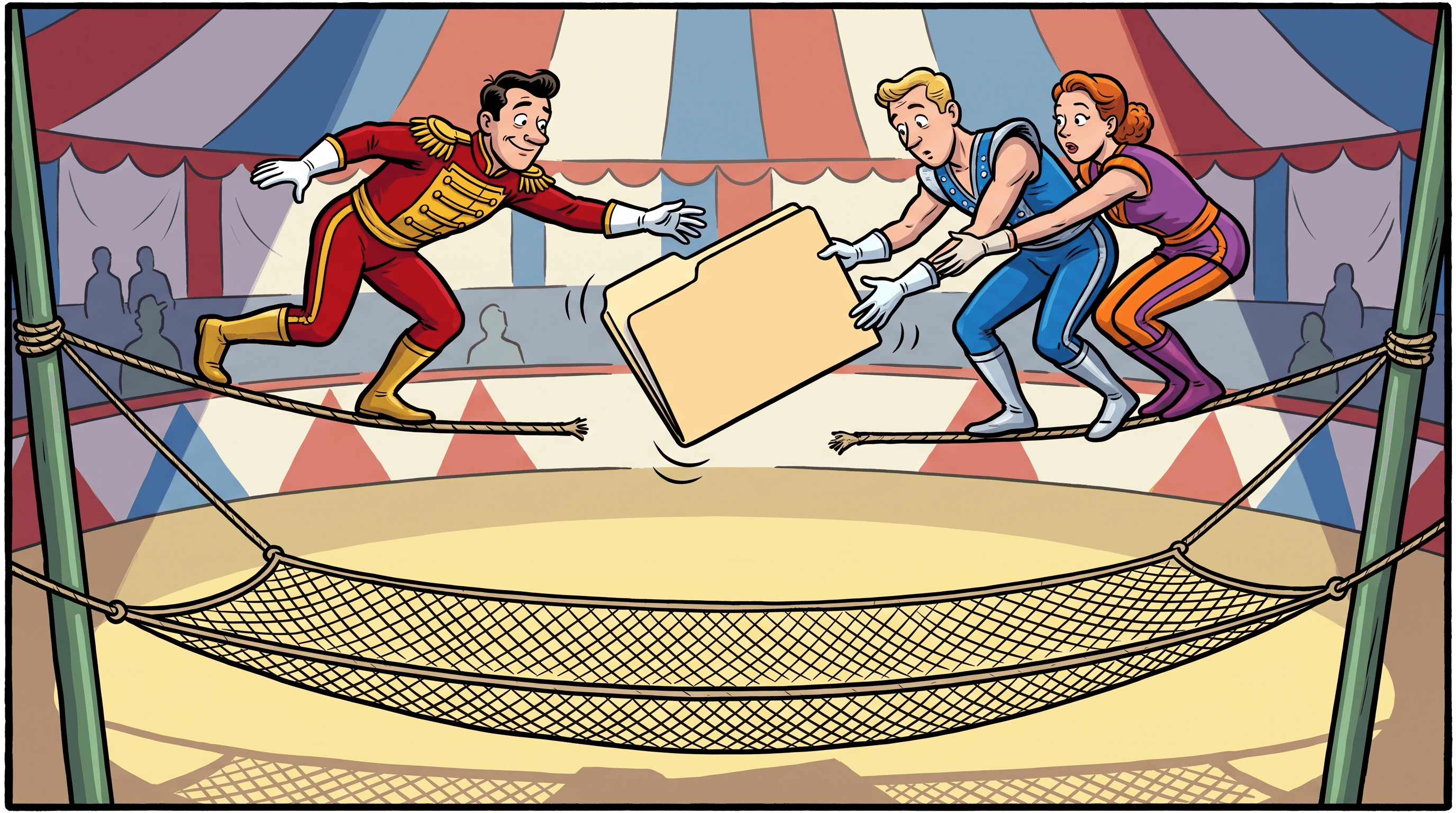
How to run an influencer marketing campaign is easier to discuss before the creator posts. PRSA's September 2023 account of Bioré's mental-health campaign describes a sponsored TikTok that paired a skincare demo with the creator's personal account of a campus shooting. The video drew criticism and was removed. PRSA says it cannot verify what briefing or review steps Bioré used, so the public account does not show which handoff, if any, failed. The case is described in PRSA's campaign guide.
Still, it gives a useful operational question: who checks that a video fits the brief, and who decides whether the context is right for the brand? A creator campaign needs both answers before launch. The sourcing and review work can be handled by agents; the brand keeps the final creative call.
How to run an influencer marketing campaign from one clear goal
Start with one primary outcome and its measurement. Awareness needs a reach or view measure. A sales campaign needs a conversion path, such as a creator-specific code or tracked landing page. The goal should decide the deliverable and review criteria before creator selection begins. The existing influencer campaign goals guide has a useful way to make that choice concrete.
The 2025 IAB Creator Economy Ad Spend and Strategy Report found that nearly half, 48%, of all creator ad buyers now consider creators a must-buy. The same report named identifying the right creators as brands' top challenge. Discovery deserves a real gate in the campaign plan, with evidence attached to the shortlist, rather than a rushed search after creative is already promised. IAB's report states both findings.
Running an influencer campaign takes five clean handoffs
Treat the campaign as a chain of approvals. Each stage needs an owner, a finished input and a clear next action. A workable sequence looks like this:
- The brief moves from draft to launch. Put deliverables, platform, video length, orientation, usage period, whitelisting, must-haves and approval rules in one place. A creator should be able to tell what to make and what the brand will review. Use the influencer campaign brief guide to check whether a requirement is specific enough to approve.
- The shortlist moves to a human decision. The sourcing agent checks creators' recent post evidence against each must-have, then shows the brand which profiles fit and why. People choose the creators whose style and audience make sense for the campaign. A large follower count cannot tell you whether someone can make the format the brief asks for.
- An agreed deal moves to a signed contract. Confirm deliverables, usage rights and payment timing before filming starts. When a creator agrees to the rate and scope, the Deal-Maker agent can draft a contract from your terms. The creator signs first, then the brand countersigns. In UGCBloom, the platform holds escrow only after the contract is signed, when escrow is the chosen payment schedule.
- A submission moves through review before it goes live. The video review agent checks the video against the brief and sends timestamped corrections where needed. The brand keeps final approval. A first review can catch a missing required scene; the person approving the video still has to judge its context.
- Approval moves to publication and measurement. Once the creator posts publicly, the platform marks the submission live and collects performance stats. You interpret views, likes, comments or tracked creator-specific sales against the original campaign goal. The influencer metrics tracking guide helps match a metric to a next action.
A brand unsure whether its brief will attract the right creators can test the draft before funding a campaign. In UGCBloom, Source for Free returns five creators to review; after the brand stars or rejects each one, it finds ten more using that feedback. No creator is contacted during the trial. The brand sees what the brief attracts before launch and keeps the creator choice.
Creative approval still belongs with the brand
A brief should specify required facts and scenes, while leaving room for the creator's delivery. Include sensitive topics, product claims and brand-specific exclusions in the brief. The sourcing agent can compare recent videos with the written must-haves, and the video review agent can flag a submission against those same requirements. People decide whether the execution fits the moment and the brand.
Disclosure belongs in the campaign setup too. For a paid TikTok video, place the brand-relationship disclosure inside the video itself. The FTC's Disclosures 101 guide says a video disclosure should appear in the video and that viewers are more likely to notice it when it appears in both audio and video. Add that requirement to the brief and check it during review.
A campaign stalls when nobody owns the next step
Where this process breaks down: terms can change in a message thread without making it back into the contract or brief. Put the agreed version in the campaign record before filming. If a creator asks for a different usage period, pause the approval path until the rights term is settled. That reset prevents a finished video from arriving under terms the brand never approved.
Adding more creators rarely fixes a campaign whose brief, contract, review owner and tracking method are unsettled. Before the next launch, name the owner and required proof for every transition. If you cannot name who checks that a video went live, the campaign is not ready.