A 12-person skincare brand hit 300 influencer outreach messages a month, and the reply rate slid from 17 percent to 5 percent the week they switched to a bulk template. That drop is the real cost of influencer marketing automation done wrong. The messages went out on schedule and the reply rate still fell.
Automating influencer outreach is where most teams lose trust
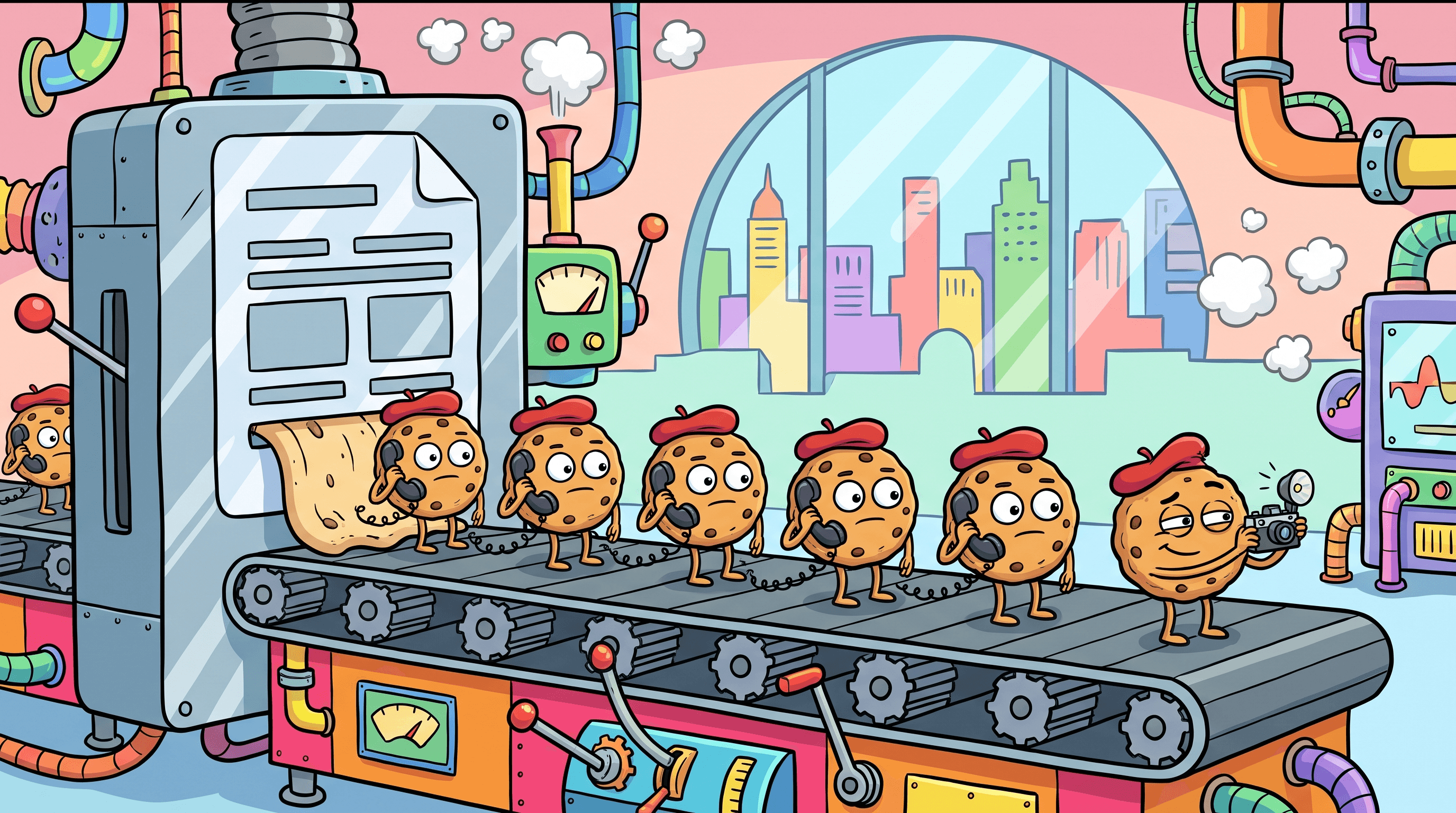
A generic blast reads as a blast. When the team swapped their three-line personalized opener, which named the creator's recent product post, for a mail-merge 'love your content, wanna collab?', replies collapsed. The outreach volume math is unforgiving: at 300 messages a month, a 17 percent reply rate is 51 conversations, and a 5 percent rate is 15.
Not every reply becomes a paid collab. At a 1-in-6 close rate, 51 replies yields about 8 signed creators a month and 15 replies yields about 2. That is 6 collabs gone, and at the micro rate most skincare brands pay, the lost content capacity is real.
What this influencer marketing automation actually changed
The team kept the human on two steps and handed the rest to software. Most 'what to automate' guides, including Modash's list of six tasks to automate and five to skip, tell you to keep creative direction human but rarely name the outreach opener as the protected step.
Here is the before and after on the same 300-message month:
| Metric | Manual bulk template | Automated with human in loop |
|---|---|---|
| Outreach per month | 300 | 300 |
| Reply rate | 5% | 17% |
| Signed collabs per month | ~2 | ~8 |
| Hours spent | 30 | ~6 |
Automate the work that scales badly by hand: finding creator emails, sending follow-ups, and tracking live posts. Keep the human on the first line and the rate negotiation, because those are the two moments a creator decides whether you are a person or a spreadsheet. Influencer CRMs such as Upfluence log relationship stages but leave that conversation to you.
Try UGCBloom
Launch authentic creator video campaigns and track every result in one place.
The sourcing step found creators the spreadsheet missed
Before the change, the team kept a 400-row spreadsheet of creators and worked it top to bottom, re-contacting people who had already said no.
On UGCBloom, the sourcing agent qualifies creators on real profile and post data instead of follower count, ranks a shortlist, and opens the conversation with each fit creator from the same campaign brief, while the Deal-Maker agent runs the negotiation in the creator's own language inside rate bands the brand set, so a person only steps in for the unusual cases and still approves the creative.
Review stopped being the bottleneck
The old review step meant a junior forwarding videos to a shared folder and a brand lead checking when they had time, so feedback lagged days.
On UGCBloom, the video review agent grades every submission against the brief before a person on the brand side opens it, flagging timestamp and spec problems and sending the creator feedback directly, and once the brand approves, the platform releases payment from the funded balance on the trigger the campaign set, such as pay per approved video or per conversion.
The number that reset the budget
Run the annual math: 6 lost collabs a month times a $250 micro rate equals $1,500 in missed content capacity every month, or about $18,000 a year. The team also got back roughly 24 hours a month, the gap between 30 manual hours and 6 with an agent handling sourcing and follow-up. The brand kept its tool spend and moved the human hour to the one message that earns the reply.
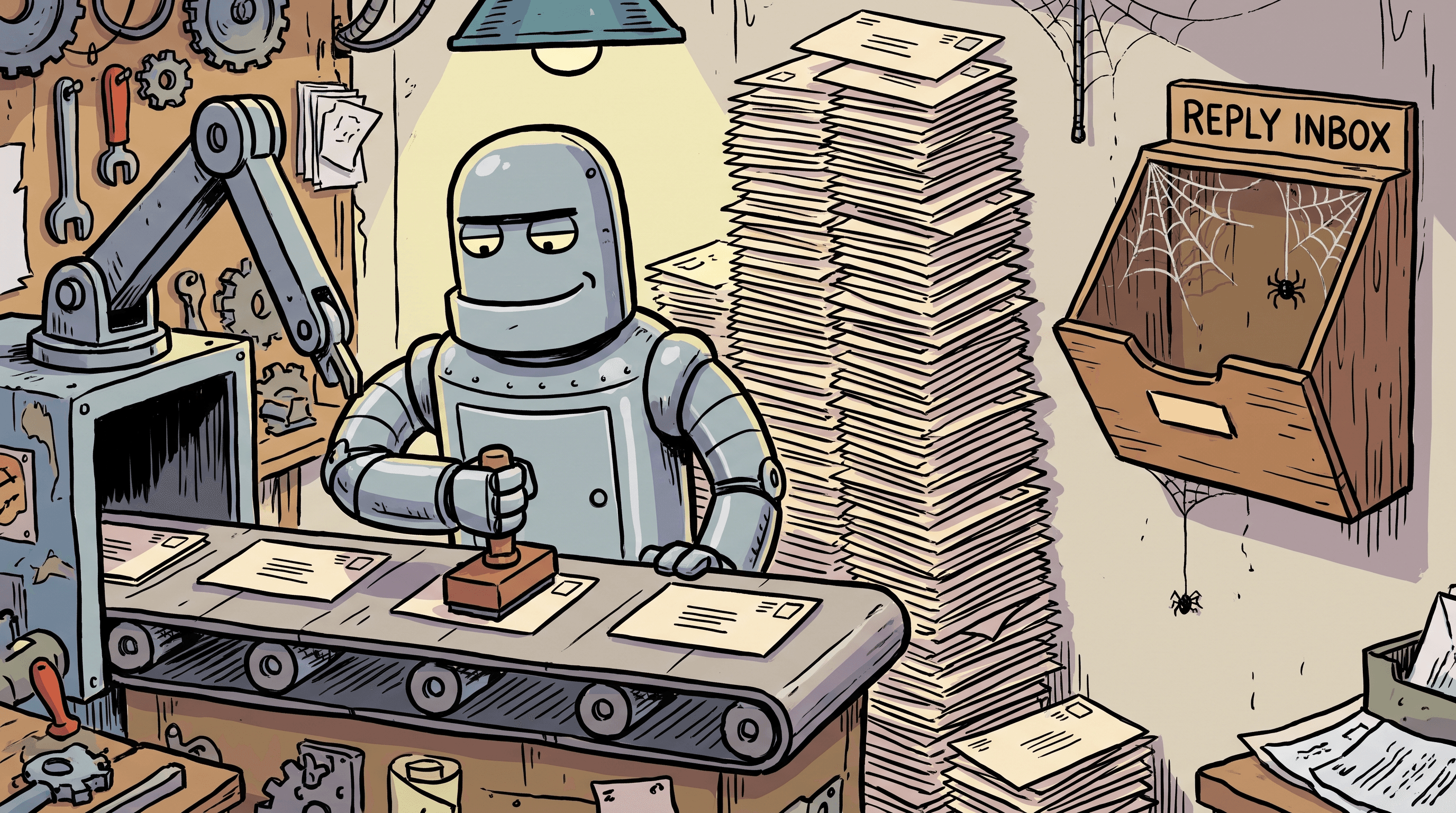
The mistake was not trusting automation. It was automating the one message a creator actually reads. If your outreach reply rate sits under 8 percent, stop buying more seats and rewrite the first line, because no agent can save a template that opens with 'love your content.'
Try UGCBloom
Launch authentic creator video campaigns and track every result in one place.