Every guide on the internet prices influencer whitelisting fees the same way: take the creator's base content rate, add 25%, done. Influship puts the industry standard at 20 to 30% of base per 30-day flight, with most deals landing at 25%. Google's own AI summary of the topic repeats the 20 to 50% band.
That model is convenient for the person writing the contract and wrong for almost everyone signing it. It prices the creator's advertising rights against the cost of a single video, which has nothing to do with how much value the brand extracts from those rights.
The percentage model collapses the moment ad spend scales
Run the standard example. A creator with 120,000 Instagram followers charges $2,000 for a Reel. The brand wants 30 days of whitelisting. At 25%, the fee is $500 and the total deal is $2,500 (influship.com).
Now put media behind it. The brand pushes $40,000 through that handle over the 30 days. At a $12 CPM, which is a realistic Meta feed number for a DTC audience, that buys roughly 3.3 million impressions. The organic Reel, at a generous 30% reach on 120,000 followers, delivered about 36,000.
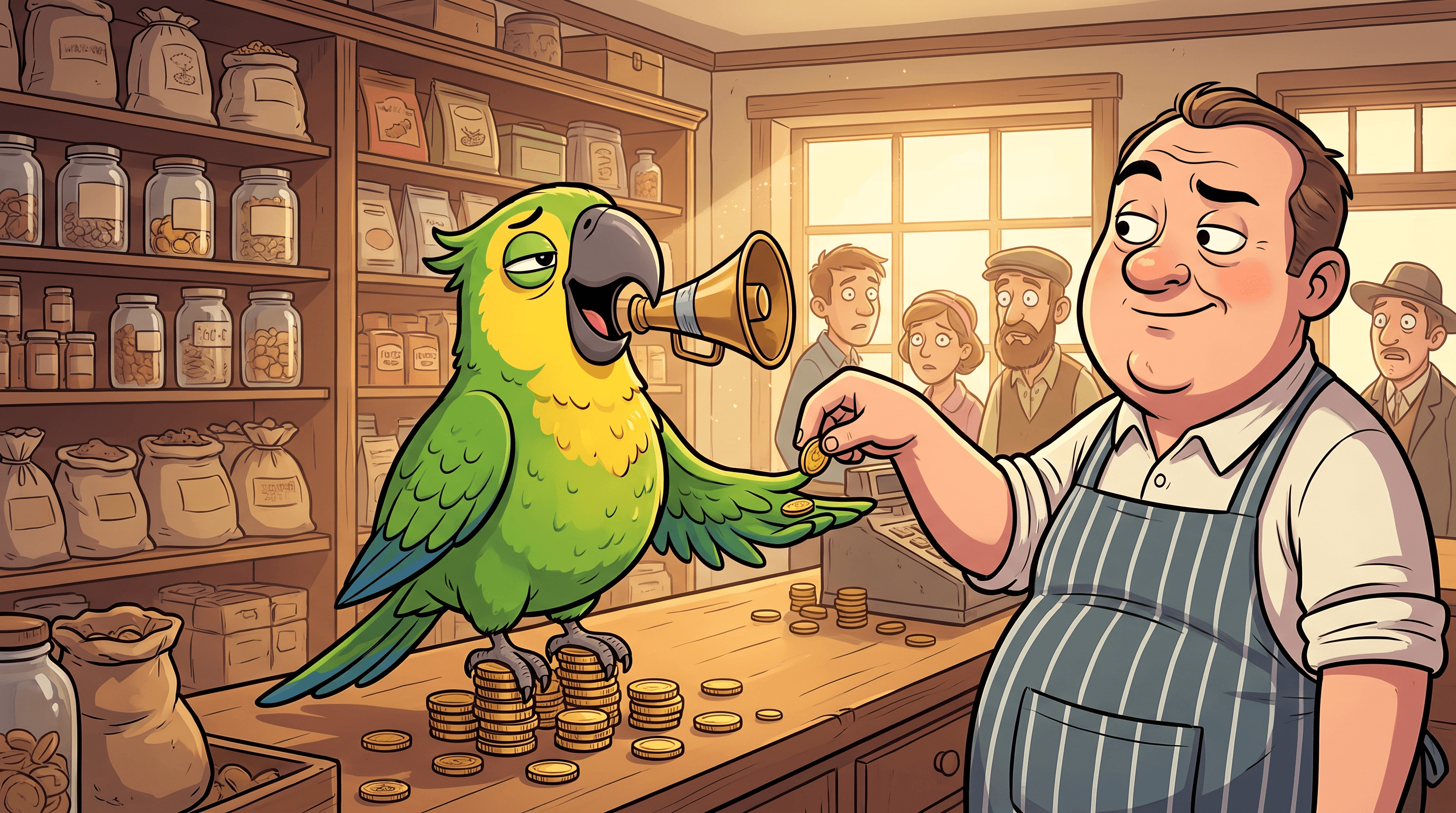
So the brand paid $2,000 for 36,000 impressions and $500 for 3.3 million. Per thousand impressions, the organic post cost $55.56 in creator fees. The whitelisted distribution cost $0.15 in creator fees. The creator's face, voice, handle, and follower trust carried 92 times the audience for a quarter of the price.
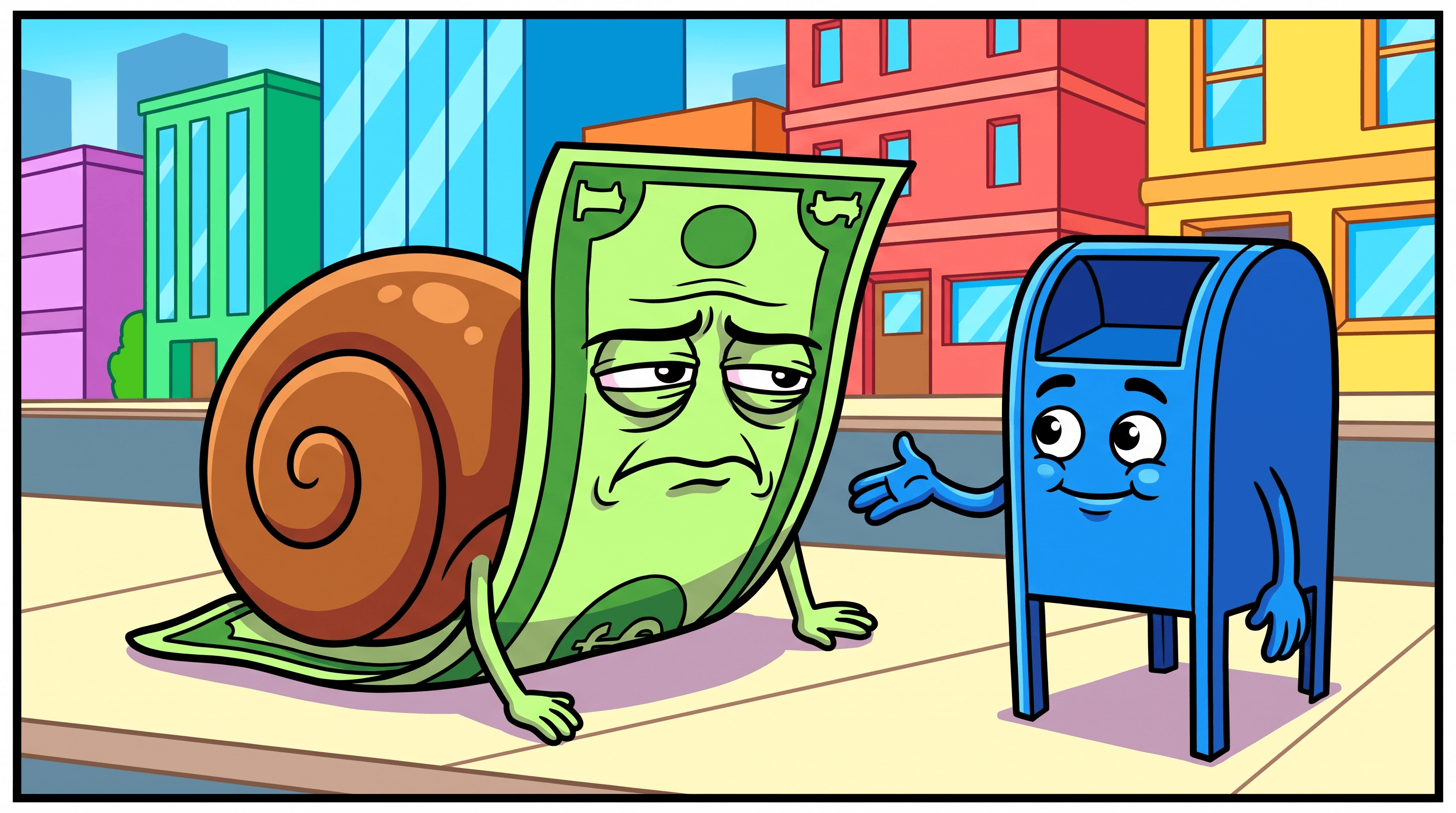
A creator who agrees to 25% has quietly sold unlimited scale for a flat number.
Cap the spend, not the calendar
Duration is the wrong variable to price on, and it is the one every published rate card uses. Thirty days of whitelisting behind $2,000 of spend and thirty days behind $200,000 of spend are the same line item under the percentage model. Price the ad spend ceiling instead and the deal starts describing what actually happens.
A workable structure: a base whitelisting fee that buys a defined spend tranche, then a step-up fee for each additional tranche. Something like $500 for the first $25,000 of spend, then $300 per additional $25,000, capped at the point where the creator would rather renegotiate.
Brands hate this on instinct, and the objection is fair: a percentage of spend penalizes you for scaling what works, as influship.com argues when it tells brands to resist spend-linked pricing. A tranche model with fixed dollar steps answers that. Your marginal cost per $25,000 of media is $300, which is 1.2% of the tranche and falls as a share of budget the harder you push. That is budget-predictable in a way an open-ended percentage is not.
What the market currently charges
Published 2026 ranges for 30-day whitelisting windows, before any spend cap is negotiated:
| Tier | 30-day fee (influencerfee.com) | 90-day fee | Implied cost per $25k of spend at $40k media |
|---|---|---|---|
| Micro, 10k to 100k | $300 to $1,500 | $800 to $4,000 | $188 to $938 |
| Mid-tier, 100k to 500k | $1,000 to $5,000 | $3,000 to $12,000 | $625 to $3,125 |
| Macro, 500k to 2M | $4,000 to $20,000 | $10,000 to $50,000 | $2,500 to $12,500 |
| Platform premium on base rate: Instagram +50 to 100%, TikTok Spark Ads +30 to 60%, LinkedIn +60 to 120%, Pinterest +20 to 40% |
Tier and platform figures from influencerfee.com. The right-hand column is arithmetic on those published fees, not a market observation: a $40,000 flight is 1.6 tranches of $25,000, so a $1,500 micro fee works out to $938 per tranche.
Whitelisting and usage rights are two invoices, and brands keep merging them
Whitelisting means the ad runs from the creator's handle, with their name and profile photo as the sender. Usage rights mean the brand reuses the footage in its own placements, where the creator's handle never appears. Combined deals should price at 80 to 150% of the base creative fee (influencerfee.com), which is roughly four times what a whitelist-only quote looks like. Brands that bundle them into one line get the expensive version at the cheap price.
Keeping them on separate lines also matters for renewals. If the whitelisted ad performs, extend the ad rights without reopening the content fee. If it flops, let the window lapse and the organic deal is untouched. Most of what belongs in the clause is covered in this breakdown of which influencer contract clauses actually matter.
Start your first campaign today
Brief creators, collect videos, and track performance in one place.
The clause most brands forget costs them the ad account
Six things belong in a whitelisting clause and only two of them usually show up.
- Named platforms. "Instagram and TikTok" is enforceable. "Social media" is a blank cheque.
- Exact start and end dates, or a window that begins at first ad launch. Open-ended access should scare both sides.
- The spend ceiling the fee buys, and the rate for exceeding it.
- Whether access is content-level (one post) or account-level (anything tagged). Content-level for one-off campaigns, account-level for ambassador deals.
- Creative editing limits. On Meta Partnership Ads the brand cannot change the caption or the visual, only the CTA button and the destination URL.
- A revocation process with a cure period, so a 48-hour fix window exists before anyone pulls access mid-flight.
On TikTok, item four has a hard technical edge. Spark Ads codes are generated per video, with the creator choosing 7, 30, 60, or 365 days, and the code expires on that clock (influship.com). Extend the campaign and someone has to go ask the creator for a new code. Write the contract as if that conversation will happen on a Friday afternoon.
Where the spend-capped model breaks down
Tranche pricing needs both sides to see the spend number, and most creators never do. A brand running $180,000 through a handle can report $40,000 and nobody on the creator side has visibility into the ad account to argue. Unless the contract gives the creator read access to the campaign's spend report, the ceiling is an honour system. Small creators without managers should probably just take a higher flat 30-day fee and skip the arithmetic.
There is also a case where 25% is correct: a single-video Spark Ads test with a $3,000 media cap. Overengineering that deal costs more in legal review than the fee itself.
Running whitelisting fees across twenty creators is where the spreadsheet dies
Twenty whitelisting windows means twenty different expiry dates, twenty different spend ceilings, and a real chance of running ads through a handle whose rights lapsed nine days ago. That is a regulatory exposure, not an admin annoyance, and it is invisible in a Google Sheet until a creator's manager emails. Campaigns of the influencer-partnership type on UGCBloom run on legally binding contracts that gate submission and hold the committed budget in escrow, so the whitelisting fee and the content fee sit as separate committed amounts against separate dates rather than as one undated promise.
Negotiating the ceiling is the other bottleneck. Twenty creators, twenty back-and-forths about spend tranches, all of them stalling while someone gets to the inbox. The Deal-Maker agent on UGCBloom handles those conversations in parallel, in each creator's own language, inside the rate bands the brand sets, and hands anything outside the bands to a person. Setting the ceiling stays a human decision; chasing agreement to it does not have to be.
What to do before your next whitelisting quote
Open the ad account, find the total spend behind creator handles last quarter, and divide it by the whitelisting fees paid. If the answer is above $50 of media per $1 of whitelisting fee, the creators on your roster are underpricing badly and someone's manager will notice within two renewal cycles. Whether they raise the fee or raise the rate is up to them. Either way the 25% convention has maybe another year in it before spend-linked terms show up in standard talent agreements. Which side of that renegotiation do you want to be on?
Worth pairing with the base-rate benchmarks in this 2026 influencer rate card, since every whitelisting percentage in this post is calculated off that number.
Try UGCBloom
Launch authentic creator video campaigns and track every result in one place.