Most licensing advice tells brands to grab perpetual usage rights up front so they never think about a renewal again. That move costs more than it saves, and it makes creators wary of the next campaign. Cheaper is a pre-priced influencer content license renewal option written into the first contract, before anyone knows which video will land.
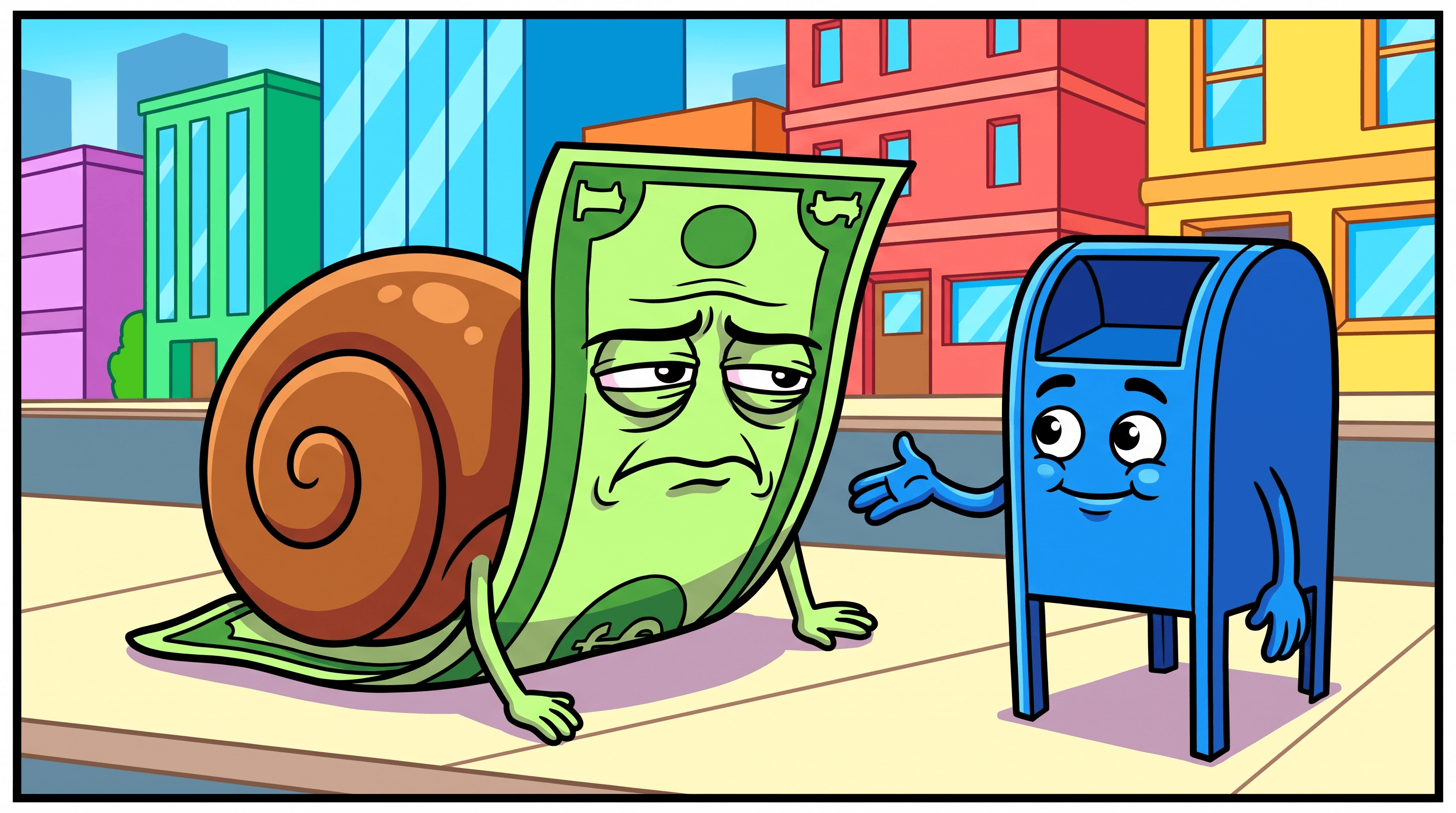
Influencer content license renewal gets skipped because the first contract feels done
A paid-ad license is almost always time-boxed. A 2026 writeup from theinfluencermarketingfactory.com notes brands license creator content for 30, 60, 90, or 120 days, after which a renewal is required, while organic usage often runs longer. The math of that first window is covered in the influencer usage rights pricing post. Renewals get treated as someone else's problem, so when day 91 hits, the paid ad goes dark and the reuse rights are gone.
A late content license renewal costs a full new license
Here is what the gap actually costs. Influencer coach Jessica Sloann, cited by modash.io, advises creators to charge about $1,000 for 30 days of paid-ad usage on a Reel. Stretch that to a 90-day paid window and a micro creator's license lands near $1,000 to $1,500. If you pre-price the renewal at the rate influenceflow.io reports is standard, 25 to 35 percent of the original license fee, another 90 days runs $250 to $525. Total for six months of paid use: roughly $1,250 to $2,025.
Let the license lapse and renegotiate after the video has proven itself, and the creator is no longer pricing a renewal. They are pricing a fresh license, often at the full $1,000 to $1,500 again, or holding out for a perpetual buyout at three to ten times the one-time fee per influenceflow.io. The same six months of use can quietly become $3,000 to $15,000.
Worked example: $1,000 license (90-day paid) plus a pre-priced renewal at 30 percent ($300) equals $1,300 for six months. The same asset lapsed and re-bought equals $1,000 plus $1,000, or a perpetual buyout at 3x equals $3,000. Pre-pricing the option saves $700 to $1,700 on a single video.
The five renewal structures brands actually use
A creator-licensing guide from goviralglobal.com puts a 6-to-12-month renewal at $200 to $1,000 and a 12-month-to-perpetual conversion at $500 to $2,500, while influenceflow.io pegs a standard term renewal at 25 to 35 percent of the original license and a perpetual buyout at three to ten times. Here is how the five structures stack up.
| Structure | What happens | Typical cost | Best when |
|---|---|---|---|
| Pre-priced option in the original contract | Renew at a set percent of the first license, agreed before launch | 25 to 35% of original fee | Top-performing assets you want to keep running |
| Auto-renew at the original rate | Rolls over each term unless the brand cancels in writing | Same as original fee | Stable evergreen assets with low creator risk |
| Reversion then re-license | Rights revert to the creator at term end, forcing a new deal | New negotiation, often full fee again | One-off posts you may not reuse |
| Perpetual buyout conversion | Convert a term license to indefinite use for a multiple | 3 to 10x one-time fee | Hero assets used on-site for years |
| Rolling whitelisting extension | Monthly whitelisting of the post, renewed in chunks | $100 to $400 per month | Performance ads you tune weekly |
Whitelisting vendor lumanu.com recommends an extension clause for whitelisting at $100 to $400 a month, and theinfluencermarketingfactory.com confirms rights revert to the creator when a time-boxed term ends, which forces a fresh deal. Pick the row that matches how long you will actually run the asset, not the one that sounds safest.
Start your first campaign today
Brief creators, collect videos, and track performance in one place.
A lapsed license on a Reel that is still clearing sales through its promo code is the gap most brands walk into, because the renewal gets negotiated after the asset proved itself and the rate climbs. UGCBloom runs the campaign on a legally binding contract that gates the video and holds budget in escrow, so the renewal lands as a fresh signed deal with its own payment timing instead of a frantic manual wire. Once a person on the brand side approves, the platform releases the renewal payment from the funded balance in the creator's local currency, with no transfer to chase. The promo code keeps attributing sales to that creator the whole time, so the per-creator ROI number never goes dark.
Pre-price the option or pay the creator's victory tax
The brands that eat the biggest renewal bills are the ones that waited. impact.com tells creators to begin with short terms and use performance data to negotiate stronger renewals, which means the upper hand flips to the creator the moment a video sells. Lock the renewal rate before the video builds a track record, because that is when the upper hand still sits with the brand. A pre-priced option at 30 percent of the license costs you nothing if the video flops and saves a fortune if it pops.
Where this breaks down
Buying perpetual for every post is the real mistake. For a hero asset that lives on a product page for years, paying three to ten times once beats renewing forever, and theinfluencermarketingfactory.com notes perpetual or long terms suit evergreen placement. A nano creator's one-off Story that ran for a week does not need a renewal clause at all, and a whitelisted ad you tune weekly is better served by the rolling extension in the influencer whitelisting fees breakdown than a perpetual grant. Match the structure to how long you will actually run the asset, and keep the renewal clause only where the reuse has a real shelf life. The contract work that makes this clean is in the influencer contract template post.
When a creator's term license is about to revert and you want another year, the renewal talk is the same negotiation the first deal was, now with performance numbers on the table. The Deal-Maker agent opens that conversation in the creator's own language, references the sales the video already drove, and settles the renewal inside the rate bands the brand set, so a person only steps in if the creator asks past the ceiling. The signed contract produces a PDF and the platform holds the renewal budget in escrow against it.
Open your last ten influencer contracts and count how many name a renewal rate. If the answer is zero, the next video that takes off will cost you a fresh license instead of a pre-priced option. A renewal you price before launch is not a line item you forgot. It is the cheapest insurance in the deal.
Try UGCBloom
Launch authentic creator video campaigns and track every result in one place.